AI Construction Scheduling Software Changing Job Site Management
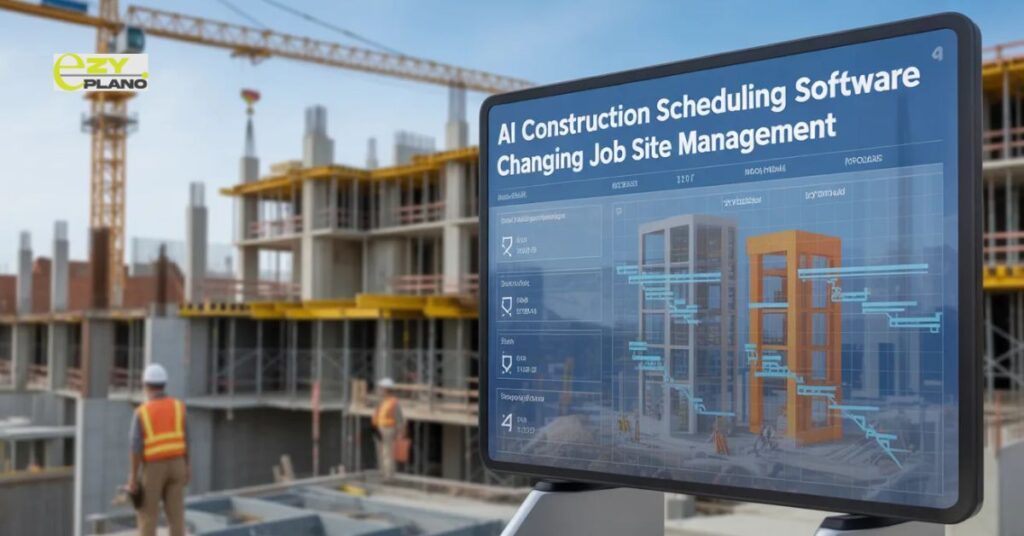
Planning construction projects manually takes forever and still gets stuff wrong. Weather messes up timelines, crew availability shifts constantly, material delays wreck carefully made plans. AI construction scheduling software transformed how builders handle projects, and contractors using it say manual planning feels ancient now.
Most construction outfits still schedule the old way. The project manager builds a timeline based on experience and gut feeling. Updates it when things change. Hopes everyone stays on track. Misses patterns happening across multiple jobs.
How AI Software Works Different
- Traditional scheduling needs someone mapping everything out. They estimate durations, assign crews, and schedule deliveries. Based mostly on experience and educated guesses about what might happen.
- AI construction scheduling software learns from actual project data. See how long tasks really take, what typically causes delays, which crews work fastest on what jobs. Suggests realistic timelines based on patterns instead of estimates.
- Adjusts schedules automatically when conditions change instead of someone manually redoing everything.
Why Builders Want This
- Timeline predictions get way more accurate. AI knows concrete work in winter takes longer than summer. Accounts for crew productivity patterns. Builds schedules matching reality not hopes.
- Resource allocation improves automatically. AI spots when equipment sits idle or crews get overbooked. Suggests better distribution before problems happen.
- Delay prediction catches issues early. AI notices patterns leading to delays, permit processing running long, supplier usually late, weather trending bad. Warns you before timelines slip.
- Learning happens continuously. The more projects you run, the smarter the system gets. Recognizes what works for your operation specifically.
- Budget forecasting becomes realistic. AI tracks actual costs versus estimates across jobs. Improves future bidding accuracy based on real data not guesses.
- Risk identification happens proactively. AI spots combinations that caused problems before. Foundation work scheduled during the rainy season? Flags potential issues upfront.
Where AI Really Helps
- Complex multi-phase projects benefit tons. Lots of dependencies, multiple trades, tight sequencing. AI maps optimal paths through all that complexity.
- Resource leveling across jobs. Running five sites simultaneously? AI balances crews and equipment optimally instead of reactive firefighting.
- Weather-dependent work gets planned smarter. AI checks forecasts, suggests schedule adjustments, reschedules outdoor work around weather automatically.
- Subcontractor coordination improves. AI knows how long subs actually take, when they’re typically available, builds realistic timelines for their work.
- Material ordering gets optimized. AI tracks lead times, suggests order timing based on actual progress not original schedule.
- Change order impact shows instantly. Client wants modifications? AI recalculates the entire timeline showing ripple effects immediately.
What Strong AI Systems Need
- Learning from your actual data. Generic templates don’t cut it. The system needs studying your crews, your projects, your suppliers to be useful.
- Understanding construction specifics. Not just generic project management. Knows about weather impact, trade dependencies, inspection requirements, material lead times.
- Easy override capabilities. AI suggests but humans decide. Need to easily adjust AI recommendations when you know something it doesn’t.
- Integration with field updates. Crew marks task complete on site, AI adjusts schedule immediately. Real-time data feeds make AI predictions better.
- Clear explanation of suggestions. Why is AI recommending this timeline? Understanding reasoning helps trust the system.
- Mobile functionality that works. Foremen and superintendents aren’t at desks. Check and update schedules from trucks and trailers.
Different Contractors Using This
- General contractors manage entire builds. AI coordinates all trades, handles dependencies, optimizes sequencing across the whole project.
- Specialty contractors improve their scheduling. Roofing crews, concrete teams, MEP contractors, AI helps plan their specific work better.
- Development companies building multiple units. Track progress across several houses or buildings simultaneously. AI keeps everything coordinated.
- Renovation firms handle unpredictable timelines. Demo reveals surprises, scope changes mid-stream. AI adapts plans faster than manual rescheduling.
- Infrastructure projects with regulatory complexity. Road construction, utility work, public projects. AI tracks compliance requirements alongside physical work.
Problems This Solves
- Optimistic scheduling disappears. AI uses real historical data instead of best-case scenarios. Timelines become achievable.
- Idle time decreases significantly. AI spots gaps where crews or equipment sit waiting. Suggests productive alternatives.
- Cascading delays get minimized. One task runs late, AI immediately shows impact on everything else and suggests mitigation.
- Experience capture happens automatically. Knowledge doesn’t leave when an experienced PM retires. AI learned from their projects.
- Bidding accuracy improves over time. Better timeline predictions mean better cost estimates. Win more jobs with competitive realistic bids.
Getting It Running
- Feed it real historical data. Past projects teach AI about your operation. More data, better predictions.
- Start with one project type you do often. Let AI learn that specific work before expanding to everything.
- Compare AI suggestions against your judgment initially. See where it’s smart and where it’s off. Builds understanding and trust.
- Update progress regularly. AI only helps if it knows current reality. Keeping it current makes predictions accurate.
- Don’t blindly follow recommendations. Use AI as a smart assistant making suggestions. Your experience plus AI data beats either alone.
- Track prediction accuracy. See where AI nails it and where it misses. Helps improve the system over time.
EZY PLANO Direction
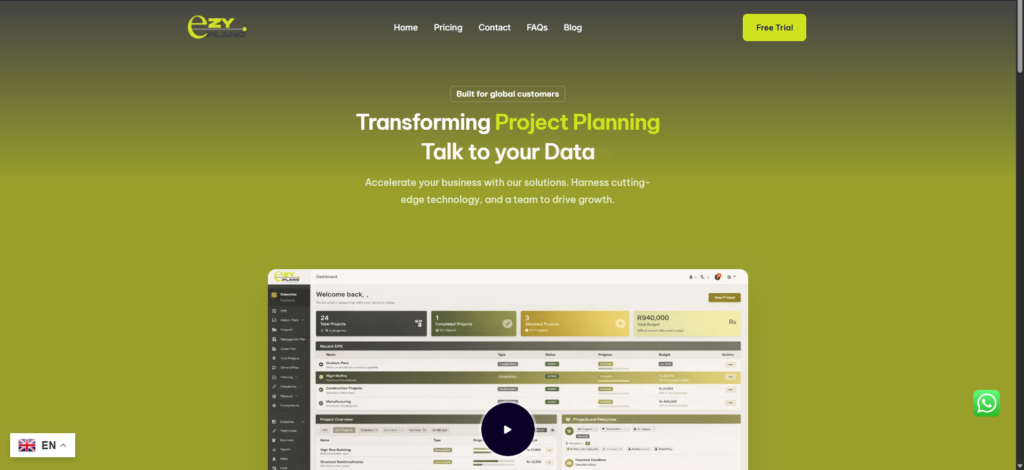
- Platforms like EzyPlano develop AI scheduling tools understanding construction reality. Not theoretical perfect scenarios. Actual messy job sites with constant changes.
- What makes EzyPlano different? Built for how construction actually works. Handles weather disruptions, crew availability changes, material delays. AI trained on real construction data not generic projects.
- For contractors wanting smarter scheduling without massive investment, tools like this work. Advanced AI capabilities without needing data science teams.
- AI construction scheduling software doesn’t replace experienced project managers. It gives them better tools and data to make smarter decisions. Good AI handles analysis and predictions so people focus on running great projects.
- Projects finish closer to schedule. Resources get used better. Budgets stay tighter. Clients get more reliable timelines. That’s the payoff.
Questions People Ask
Does AI really understand construction or just crunch numbers?
- Better systems actually get construction specifics. They know weather impacts different trades differently. Understand permit delays versus material delays. Recognize trade dependencies and sequencing requirements. Not just generic scheduling algorithms, construction-focused AI trained on building projects. Still needs human judgment for unusual situations, but way smarter than basic scheduling tools. Quality matters here, cheap AI might just be fancy spreadsheets.
What if AI suggests unrealistic schedules?
- Happens sometimes especially initially. AI learns from data it gets. Feed it rushed projects that cut corners, it suggests aggressive timelines. Give it realistic historical data, predictions improve. Always review suggestions against experience. Good systems let you override and learn from your corrections. After a few projects, AI adapts to your standards and gets way more accurate. Not magic, requires some training period.
Is this overkill for smaller contractors?
- Depends what you’re building honestly. Single custom home at a time? Probably overkill. Multiple concurrent projects even if small? AI helps a lot. Benefits come from managing complexity and learning patterns. The more projects you run, the more AI helps. Some contractors think they’re too small then realize coordination headaches they’re dealing with are exactly what AI solves. Try it and see if it makes life easier.