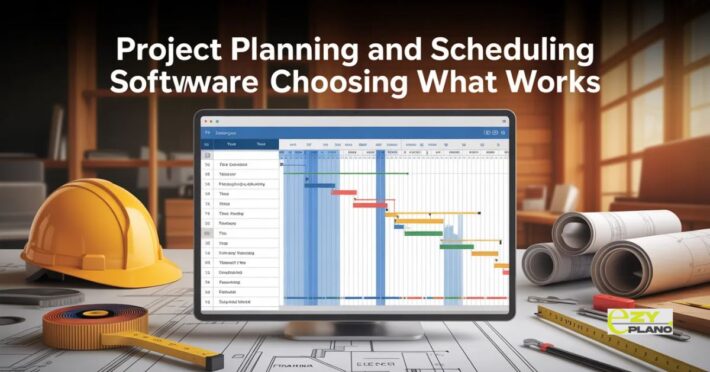
Project Planning and Scheduling in Software Engineering Done Right

Most software projects do not fail because the developers were not good enough. They fail because nobody had a clear plan that the whole team was actually working from.
Deadlines get set without anyone properly mapping out what needs to happen before them. Tasks get assigned without checking whether the person has the bandwidth. One thing runs late and three other things get held up behind it. Project planning and scheduling in software engineering is what prevents that chain reaction from happening in the first place.
Why Software Projects Go Wrong
- Software development looks simple from the outside. Write the code. Test it. Ship it.
- In reality it is a sequence of dependent tasks involving multiple people with different skills working under changing requirements. A decision made in week one can affect everything in week six. A feature that seemed straightforward turns out to need three other things built first.
- Without proper planning none of that is visible until it becomes a problem.
What Good Planning Actually Looks Like
- It starts with breaking the project into real tasks. Not broad phases. Actual work items with clear ownership and realistic time estimates.
- Then mapping dependencies. What needs to be finished before something else can start. Where the critical path runs. Where delays will hurt the most.
- Then assigning work based on actual availability. Not assuming everyone has full capacity. Accounting for meetings, reviews, and other commitments.
- Then tracking progress honestly. Not just asking if things are on track. Looking at what is done and what is not.
Challenges Engineering Teams Face
- Engineering teams deal with challenges that general project management tools often miss.
- Requirements change mid-build. A client shifts priorities. A technical decision turns out to be wrong. The plan needs to absorb that without falling apart.
- Estimates are genuinely hard. Unlike physical construction you cannot always see how complex something is until you are inside it. Good scheduling builds in room for that uncertainty.
- Dependencies between developers create bottlenecks. One person waiting on another to finish their part before they can start theirs. Mapping these properly keeps the whole team moving.
- Technical debt and bug fixes interrupt planned work. Time gets eaten by things that were not on the schedule. Good planning accounts for that reality.
Sprints Versus Long Term Planning
- Short sprint cycles work well for day to day execution. Two week windows with clear goals. Daily check-ins. Regular reviews.
- But sprints alone are not enough. Without a longer view teams lose sight of the bigger picture. They finish each sprint but drift away from the original delivery goal.
- The best teams run both. Short cycles for execution. Longer roadmaps for direction. Each sprint sits inside a bigger plan that everyone understands.
Where Most Teams Cut Corners
- Skipping the dependency mapping. Assuming tasks are independent when they are not. Surprises hit hard later.
- Setting deadlines before estimating the work. Working backwards from a date without checking if it is realistic. The team is set up to miss from day one.
- Not updating the plan as things change. The schedule becomes fiction. Nobody trusts it so nobody follows it.
- Treating planning as a one time activity. Done at the start and never revisited. Real projects need continuous replanning.
Tools Make a Difference
- A whiteboard works for a team of two on a short project. It stops working the moment complexity grows.
- Good software keeps the plan visible to everyone. Updates in real time. Flags when something is falling behind. Shows the impact of a delay on everything connected to it.
- It also keeps a record. Why certain decisions were made. What changed and when. That history is valuable when questions come up later.
Getting the Team to Actually Use It
- The best planning tool in the world does not help if the team works around it.
- Keep it simple enough that updating it takes less time than avoiding it. If logging progress feels like extra work people will stop doing it.
- Make the plan visible in daily standups. Reference it. Update it together. It becomes part of how the team works, not something sitting in the background being ignored.
Better Projects With Project Planning and Scheduling in Software Engineering

- Software projects deliver better results when the plan is treated as a living tool not a document filed away after kickoff.
- Project planning and scheduling in software engineering is what keeps teams aligned, deadlines realistic, and problems visible early enough to actually solve them.
- EzyPlano is built for exactly this kind of work. Clean scheduling tools, dependency tracking, and team visibility without burying engineers in admin. Built for software teams that want to ship good work on time without the chaos.
Questions Teams Ask
How detailed should a software project plan be?
- Detailed enough to show dependencies and ownership clearly. Not so detailed that maintaining it becomes a full time job. Find the level your team will actually keep updated.
What do we do when requirements keep changing?
- Build flexibility into the schedule from the start. Buffer time exists for a reason. When changes come in, assess the impact on the plan immediately rather than absorbing them silently and hoping for the best.
Is agile planning the same as proper project scheduling?
- Agile handles short cycle execution well. It does not replace the need for a longer view. Both work together. Sprints for doing the work. Roadmaps for knowing where the work is going.